


Energy‑Saving Tips for Your HVAC: Cut Bills and Keep Your Home Comfortable
With energy costs on the rise, many homeowners want straightforward ways to lower utility bills without sacrificing comfort. This article shares practical, easy-to-follow tips to make your HVAC system run more efficiently. Understanding how your heating, ventilation, and air conditioning system works and how to optimize its performance is key to achieving significant savings. Beyond just cutting costs, an efficient HVAC system also contributes to a more stable indoor climate, improved air quality, and a reduced environmental footprint. By implementing these strategies, you’re not just saving money; you’re investing in a more sustainable and comfortable home environment for years to come.
Follow these steps — from routine maintenance to smart thermostats, filter care, sealing leaks, adding insulation, and smart use of ceiling fans — to improve performance and save on energy. Each section gives clear guidance so you can make confident choices for your home. These adjustments, whether small DIY tasks or professional upgrades, collectively contribute to a substantial reduction in your home’s overall energy consumption, ensuring your comfort doesn’t come at an exorbitant price.
How Can Regular HVAC Maintenance Lower Your Energy Bills?
Keeping your HVAC system tuned up makes a real difference in energy use. Regular inspections and preventive maintenance stop small problems from turning into expensive repairs, and they help systems run more efficiently. A well-serviced system uses less energy, which shows up as lower utility bills and fewer surprises down the road. Think of it like regular oil changes for your car; neglecting it leads to decreased performance, higher fuel consumption, and eventually, costly breakdowns. For your HVAC, this means ensuring all components are clean, lubricated, and operating within manufacturer specifications, preventing the system from overworking to achieve desired temperatures.
Why Is Routine HVAC Tune-Up Essential for Energy Efficiency?
A routine tune‑up is a full inspection and service visit that gets every component working the way it should. Technicians clean coils, verify refrigerant levels, check electrical connections, and calibrate thermostats — all steps that reduce strain on the system and cut energy use. For instance, dirty evaporator and condenser coils significantly impede heat transfer, forcing the compressor to run longer and harder. Low refrigerant levels can also cause the system to struggle, leading to reduced cooling capacity and increased energy consumption. Furthermore, loose electrical connections can create resistance, generating heat and wasting energy, while an uncalibrated thermostat might inaccurately read your home’s temperature, causing the system to cycle unnecessarily. After a tune‑up you’ll usually notice steadier temperatures and smoother operation, along with a noticeable drop in your monthly energy statements.
The Long-Term Benefits of Professional HVAC Maintenance
Beyond immediate energy savings, professional HVAC maintenance offers several long-term advantages. It extends the lifespan of your equipment by reducing wear and tear on critical components, delaying the need for costly replacements. Regular checks also help identify potential issues early, allowing for minor repairs before they escalate into major system failures, which can be particularly inconvenient during peak heating or cooling seasons. Moreover, a well-maintained system operates more quietly and consistently, contributing to a more comfortable living environment. It also ensures your system is operating safely, especially concerning gas furnaces where carbon monoxide leaks can be a serious hazard. Investing in annual maintenance is a proactive approach to home comfort and financial prudence.
How Does Masco & Sons Ensure Optimal HVAC Performance?
Masco & Sons Heating & Air Conditioning sends experienced technicians to perform thorough inspections, cleanings, and performance checks. With over 33 years of hands‑on experience, our team focuses on reliable service and long‑term value for homeowners. Our comprehensive service includes checking ductwork for leaks, inspecting blower motors, lubricating moving parts, and ensuring all safety controls are functioning correctly. We don’t just fix problems; we optimize your system for peak efficiency and longevity. See what others say about us in our customer reviews, and ask about our tailored maintenance plans that keep systems efficient year‑round. These plans often include priority service, discounts on repairs, and scheduled visits to ensure your system is always in top condition.
What Are the Benefits of Installing a Smart Thermostat?
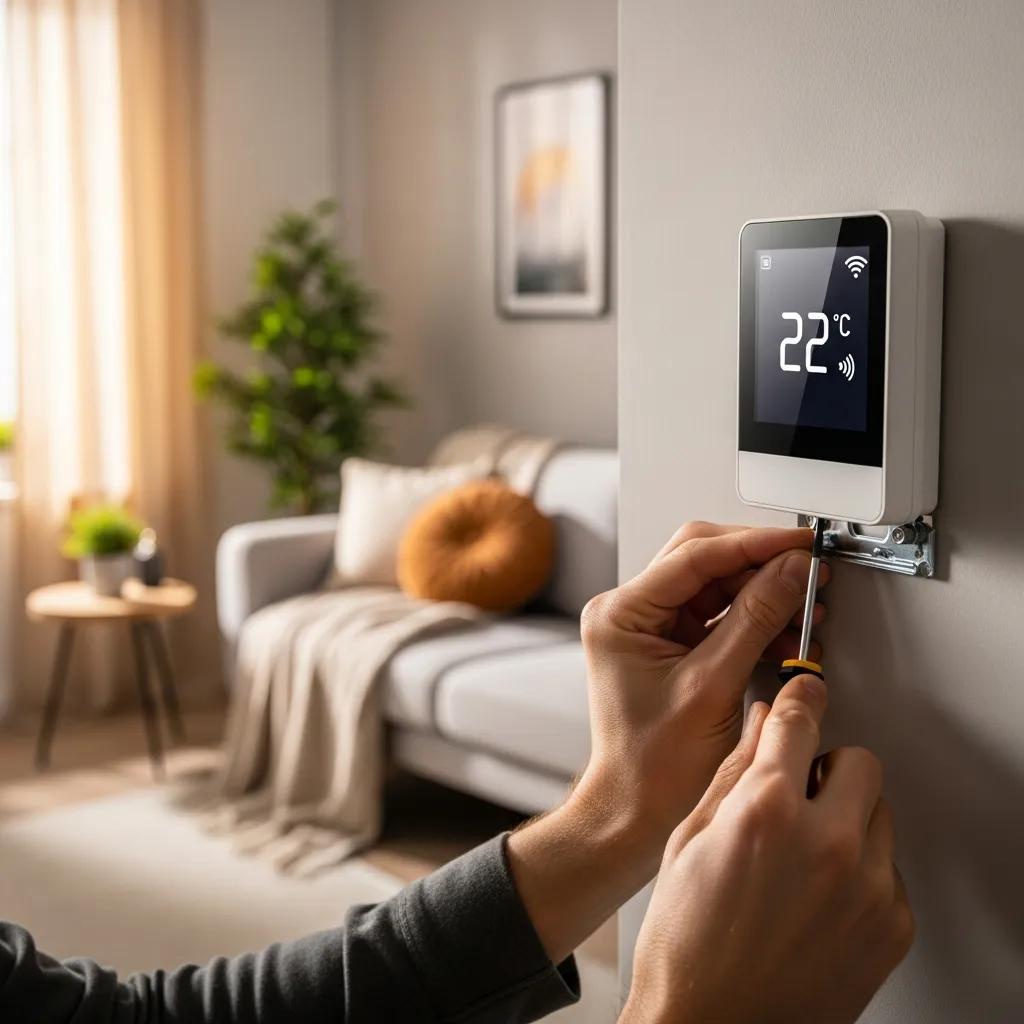
A smart thermostat can cut energy use by automatically adjusting temperatures around your schedule. These devices learn patterns, lower heating or cooling when you’re away, and bring the temperature back when you return — saving energy without extra effort. Many models also offer remote control and energy reports, which help you fine‑tune savings. The convenience of adjusting your home’s temperature from your smartphone, even when you’re miles away, means you never have to heat or cool an empty house unnecessarily. This level of control not only saves energy but also enhances comfort by ensuring your home is always at the ideal temperature when you arrive. Check current deals on our special offers.
How Do Smart Thermostats Automate Temperature Control to Save Energy?
Smart thermostats use learning algorithms and scheduling to avoid wasting energy when rooms are unoccupied. They can shift settings based on your daily routine and let you make changes from your phone. Features like geofencing, for example, use your phone’s location to detect when you leave or approach home, automatically adjusting the temperature accordingly. Some models integrate with local weather forecasts, pre-cooling or pre-heating your home during off-peak energy hours to save money. Others offer zone control, allowing you to manage temperatures in different areas of your home independently, ensuring energy is only used where and when it’s needed. That automated control keeps comfort where you need it and reduces run time when you don’t, leading to significant reductions in your energy footprint.
What Features Should You Look for in an Energy-Efficient Thermostat?
Choose a thermostat with programmable schedules, Wi‑Fi access, an easy app, and energy‑use reporting. Beyond these basics, consider models with geofencing capabilities, compatibility with your existing smart home ecosystem, and a clear, intuitive display. Some advanced features include humidity control, filter change reminders, and even fault detection, which can alert you to potential HVAC issues before they become critical. Look for thermostats that provide detailed energy consumption reports, as these insights can help you identify patterns and further optimize your settings for maximum savings. Those features make it simpler to set efficient temperatures, monitor usage, and spot opportunities to save, empowering you to take full control of your home’s energy profile.
Why Is Air Filter Replacement Crucial for HVAC Energy Savings?
Clean filters are essential. Clogged filters restrict airflow, forcing your system to work harder and burn more energy. Replacing filters on a regular schedule improves air movement and cuts energy use — plus it helps keep your indoor air healthier. A dirty filter is like trying to breathe through a pillow; your system has to exert significantly more effort to pull air through, leading to increased strain on the blower motor and reduced overall efficiency. This added strain not only wastes energy but can also shorten the lifespan of your HVAC unit, leading to premature breakdowns and expensive repairs.
How Often Should You Change Your HVAC Air Filters?
Most households do well changing filters every 1–3 months, depending on system runtime, pets, and allergies. However, several factors can influence this frequency. Homes with furry pets or allergy sufferers will often need more frequent changes to maintain airflow and air quality, sometimes as often as once a month. If you live in an area with high pollen counts, ongoing construction, or have smokers in the household, you might also need to change filters more frequently. Conversely, a vacation home or a single-occupant household with no pets might get away with changing filters every three months. It’s always a good idea to visually inspect your filter monthly; if it looks dirty, change it. A clean filter is a cornerstone of both energy efficiency and healthy indoor air.
What Impact Do Dirty Filters Have on System Efficiency and Air Quality?
Neglecting filter changes can lead to clogged components, reduced efficiency, and higher energy bills. Studies show dirty filters can boost energy consumption by roughly 5%–15%. Beyond energy waste, dirty filters severely compromise indoor air quality. They become breeding grounds for dust mites, mold spores, pet dander, and other allergens, which are then recirculated throughout your home. This can exacerbate allergies, asthma, and other respiratory issues for occupants. Furthermore, a severely clogged filter can lead to the freezing of the evaporator coil in air conditioning systems, causing the unit to stop cooling entirely and potentially damaging the compressor. Regular filter changes are a low‑cost way to protect your system and your family’s air, ensuring both optimal performance and a healthier living environment.
Choosing the Right Air Filter (MERV Ratings)
When selecting an air filter, understanding MERV (Minimum Efficiency Reporting Value) ratings is crucial. MERV ratings range from 1 to 20, indicating a filter’s ability to capture airborne particles. Higher MERV ratings mean better filtration. For most residential homes, a MERV rating between 8 and 11 is ideal, offering a good balance between particle capture and airflow. Filters with MERV 13 or higher are excellent for capturing very fine particles like bacteria and viruses, but they can restrict airflow more significantly, potentially straining older or less powerful HVAC systems. Always check your HVAC system’s manufacturer recommendations before installing a high MERV filter, as some systems are not designed to handle the increased resistance. Choosing the appropriate MERV rating ensures both clean air and efficient system operation.
How Does Sealing Air Leaks Improve HVAC Efficiency?
Sealing air leaks keeps conditioned air where it belongs and prevents your HVAC system from running extra cycles. When you close up gaps, the system doesn’t have to work as long to keep steady temperatures — and that reduces energy use. Air leaks are essentially invisible holes in your home’s envelope, allowing heated air to escape in winter and cool air to escape in summer. This constant exchange of indoor and outdoor air forces your HVAC system to continuously compensate, leading to higher energy consumption and inconsistent temperatures throughout your home. Addressing these leaks is one of the most cost-effective ways to improve your home’s energy efficiency and comfort.
Where Are Common Air Leak Areas in Homes?
Check windows and doors, attic penetrations, duct connections, and areas around plumbing and electrical entries. Beyond these obvious spots, common culprits include gaps around recessed lighting fixtures, fireplace dampers, electrical outlets and switches on exterior walls, and utility chases (where pipes and wires enter the home). Don’t forget the often-overlooked areas like the rim joists in basements or crawl spaces, and the connection points between walls and ceilings. Simple fixes like weatherstripping and caulking often deliver fast, noticeable savings, but a thorough inspection might reveal more significant leaks that require professional attention. Even small cracks and gaps can add up to the equivalent of leaving a window open year-round.
DIY Air Sealing vs. Professional Services
Many air sealing tasks are excellent DIY projects. Applying caulk around window frames, weatherstripping doors, and sealing gaps around pipes under sinks are relatively simple and inexpensive. However, some areas, particularly in attics, crawl spaces, or around ductwork, can be more challenging or even hazardous to access. Professional air sealing services can conduct a comprehensive energy audit, often using tools like blower doors and infrared cameras to pinpoint hidden leaks that are invisible to the naked eye. They can then apply specialized sealants and techniques to effectively seal these harder-toreach areas. While DIY efforts can yield good results, a professional assessment ensures a complete and long-lasting solution, especially for significant air leakage issues.
Request a quote to see how much energy you can save: request an estimate. Our experts can help you identify the most impactful areas for air sealing to maximize your energy savings.
How Can Enhancing Home Insulation Reduce HVAC Energy Use?
Upgrading insulation helps your home hold temperature more steadily, which reduces the load on heating and cooling systems. Better insulation means less runtime, improved comfort, and lower bills. Insulation acts as a barrier to heat flow, preventing heat from escaping your home in winter and entering in summer. This creates a more stable indoor environment, allowing your HVAC system to maintain desired temperatures with less effort. The effectiveness of insulation is measured by its R-value, which indicates its resistance to heat flow; a higher R-value means better insulating performance.
Which Areas of Your Home Benefit Most from Insulation Upgrades?
Attics, crawl spaces, exterior walls, and basements usually offer the biggest gains. Attics are often the most critical area, as heat naturally rises and escapes through the roof in winter, and intense solar radiation can superheat attics in summer. Upgrading attic insulation can significantly reduce heat transfer. Similarly, insulating exterior walls prevents heat loss or gain through the largest surface area of your home. Basements and crawl spaces, if uninsulated, can be major sources of cold drafts and heat loss. Targeting those areas prevents heat loss in winter and heat gain in summer for better overall efficiency, leading to a more consistent and comfortable indoor temperature throughout the year.
Different Types of Insulation and Their Applications
There are several types of insulation, each with unique properties and ideal applications. Fiberglass batts or rolls are common for attics and walls, offering good R-values at a reasonable cost. Blown-in cellulose or fiberglass is excellent for filling irregular spaces, existing wall cavities, and attics, conforming to obstructions for a seamless thermal barrier. Spray foam insulation, while more expensive, offers superior R-values and creates an airtight seal, making it ideal for hard-to-reach areas, rim joists, and new construction. Rigid foam boards are often used for exterior walls, basements, and crawl spaces, providing a strong thermal break. Choosing the right type of insulation for each area of your home is crucial for maximizing energy efficiency and achieving the best return on your investment.
How Does Proper Insulation Support HVAC System Efficiency?
Good insulation minimizes temperature swings, so your system runs fewer cycles and experiences less wear. Investing in quality insulation materials pays back over time through reduced energy use and longer equipment life. When your home is well-insulated, your HVAC system doesn’t have to work as hard or as long to maintain your desired temperature. This reduces the strain on components like the compressor and blower motor, extending their operational life and reducing the likelihood of costly repairs. Furthermore, consistent indoor temperatures eliminate hot and cold spots, enhancing overall comfort without the need for constant thermostat adjustments. It’s a foundational element of an energy-efficient home, providing a passive yet powerful way to save on utility bills.
Advanced Energy-Saving Strategies for Your Home
Beyond the fundamental tips, several advanced strategies can further enhance your home’s energy efficiency and reduce HVAC reliance. These often involve a combination of smart technology, structural improvements, and behavioral changes that collectively create a highly optimized living environment. Implementing these strategies can lead to even greater savings and a more comfortable home year-round.
Understanding and Utilizing HVAC Zoning Systems
HVAC zoning systems allow you to control the temperature in different areas or “zones” of your home independently. Instead of heating or cooling the entire house to a single temperature, you can set different temperatures for bedrooms, living areas, or unoccupied spaces. This is achieved through a series of dampers installed in your ductwork, controlled by individual thermostats in each zone. Zoning can significantly reduce energy waste by only conditioning the areas that are in use, preventing you from paying to heat or cool empty rooms. It’s particularly beneficial for multi-story homes, homes with varying sun exposure, or households with different temperature preferences among occupants.
The Impact of Window Treatments and Landscaping
Your windows are a major source of heat transfer. High-quality, energy-efficient window treatments can make a significant difference. Insulated drapes, cellular shades, or blinds can block solar heat gain in summer and prevent heat loss in winter. For maximum effect, close them during the hottest parts of the day in summer and open them to let in natural light and warmth in winter. Similarly, strategic landscaping can play a crucial role. Planting deciduous trees on the south and west sides of your home can provide shade in summer, reducing solar heat gain, while allowing sunlight to penetrate in winter after the leaves have fallen. Evergreen shrubs and trees can also act as windbreaks, protecting your home from cold winter winds.
Considering a Home Energy Audit
For a comprehensive understanding of your home’s energy performance, consider a professional home energy audit. An energy auditor will use specialized equipment, such as blower doors and infrared cameras, to identify air leaks, insulation deficiencies, and other areas of energy waste that might not be obvious. They will then provide a detailed report with prioritized recommendations for improvements, along with estimated cost savings. This holistic approach ensures that you’re investing in the most impactful upgrades for your specific home, maximizing your return on investment and achieving the highest possible energy efficiency.
| Energy Saving Tip | Description | Benefits |
|---|---|---|
| Regular HVAC Maintenance | Schedule routine inspections and tune‑ups to ensure all components are clean and functioning optimally. | Prevents breakdowns, extends system lifespan, keeps systems efficient, and ensures safe operation. |
| Smart Thermostat Installation | Automates temperature control based on schedules, occupancy, and external factors like weather. | Reduces energy use, improves comfort, offers remote control, and provides energy consumption insights. |
| Air Filter Replacement | Change filters every 1–3 months (or more frequently with pets/allergies) to maintain airflow. | Maintains airflow, lowers energy consumption, improves indoor air quality, and protects HVAC components. |
| Sealing Air Leaks | Find and seal gaps around windows, doors, ducts, and utility penetrations in your home’s envelope. | Stops energy loss, boosts comfort, reduces drafts, and prevents moisture intrusion. |
| Enhancing Home Insulation | Upgrade insulation in key areas like attics, walls, and basements to improve thermal resistance. | Keeps temperatures steady, cuts system workload, reduces noise, and lowers heating/cooling bills. |
| Ceiling Fan Usage | Use fans to complement HVAC systems, creating a wind-chill effect to feel cooler. | Reduces dependence on air conditioning, allows higher thermostat settings, and saves electricity. |
| HVAC Zoning Systems | Install controls to manage temperatures independently in different areas of your home. | Optimizes energy use by conditioning only occupied zones, enhancing personalized comfort. |
| Window Treatments & Landscaping | Utilize energy-efficient blinds/shades and strategic planting to manage solar gain and provide shade. | Reduces heat transfer through windows, lowers cooling loads, and enhances curb appeal. |
Applying these energy‑saving practices can noticeably lower how much energy your HVAC system consumes. Focus on preventive maintenance, smart controls, clean filters, airtight sealing, and proper insulation to improve comfort and reduce bills. These strategies, when implemented together, create a synergistic effect, leading to a home that is not only more energy-efficient but also more comfortable and healthier for its occupants. If you want expert help, please contact Masco & Sons Heating & Air Conditioning — we’re here to help you navigate these options and find the best solutions for your home.