



Signs Your Furnace Needs Immediate Attention: Key Warning Signs and What Homeowners Should Do
Recognizing immediate warning signs from your furnace is crucial for comfort, safety, and cost savings. This article guides homeowners through common furnace failure signals, their implications (including combustion and carbon monoxide risks), and safe first-aid actions before professional service. We cover top signs of failure, cold-air delivery diagnostics, odor and combustion warnings, energy bill impacts, repair/replacement decisions, and early carbon monoxide indicators, balancing safe troubleshooting with clear criteria for when to call a certified technician.
What Are the Most Common Signs Your Furnace Is Failing?
Failing furnaces exhibit repeatable symptoms indicating mechanical, electrical, or combustion issues; early recognition reduces safety risks and repair costs. Common signs include loss of heat, unusual noises, persistent odors, a yellow flame, short cycling, and sudden energy bill spikes, each pointing to specific faults or safety concerns. Homeowners should perform basic safe checks (e.g., filter replacement, thermostat verification) before escalating to professional diagnostics for combustion or electrical anomalies. The list below summarizes primary signs and their implications for triage.
Common signs your furnace may be failing:
- No heat or intermittent heating: The furnace fails to warm rooms consistently and may stop mid-cycle.
- Strange or loud noises: Banging, squealing, or rattling indicates mechanical failures or loose parts.
- Yellow flame or abnormal flame color: Indicates incomplete combustion and possible CO risk.
- Short cycling (frequent on/off cycles): Suggests overheating, blocked airflow, or control failure.
- Persistent burning or chemical odors: Could be electrical burning, oil/insulation heat, or fuel leaks.
- Sudden high energy bills: Efficiency losses from blower motor or burner issues drive higher costs.
Recognizing these signs early lets you prioritize safety steps and schedule targeted repairs; the next subsection explains how specific noises map to components and urgency.
| Symptom | Likely Component or Cause | Implication / Homeowner Action |
|---|---|---|
| No heat | Ignitor, gas valve, control board | Check thermostat and power; call technician if ignition fails |
| Strange noises | Blower motor, expansion, loose panels, delayed ignition | Stop operation for loud bangs; secure panel and schedule service |
| Yellow flame | Dirty burner, blocked venting, incomplete combustion | Ventilate area, avoid using combustion appliances, call for inspection |
This quick reference pairs each common sign with probable component issues and immediate homeowner implications so you can triage safely before professional service arrives.
Which Strange Noises Indicate Furnace Problems?
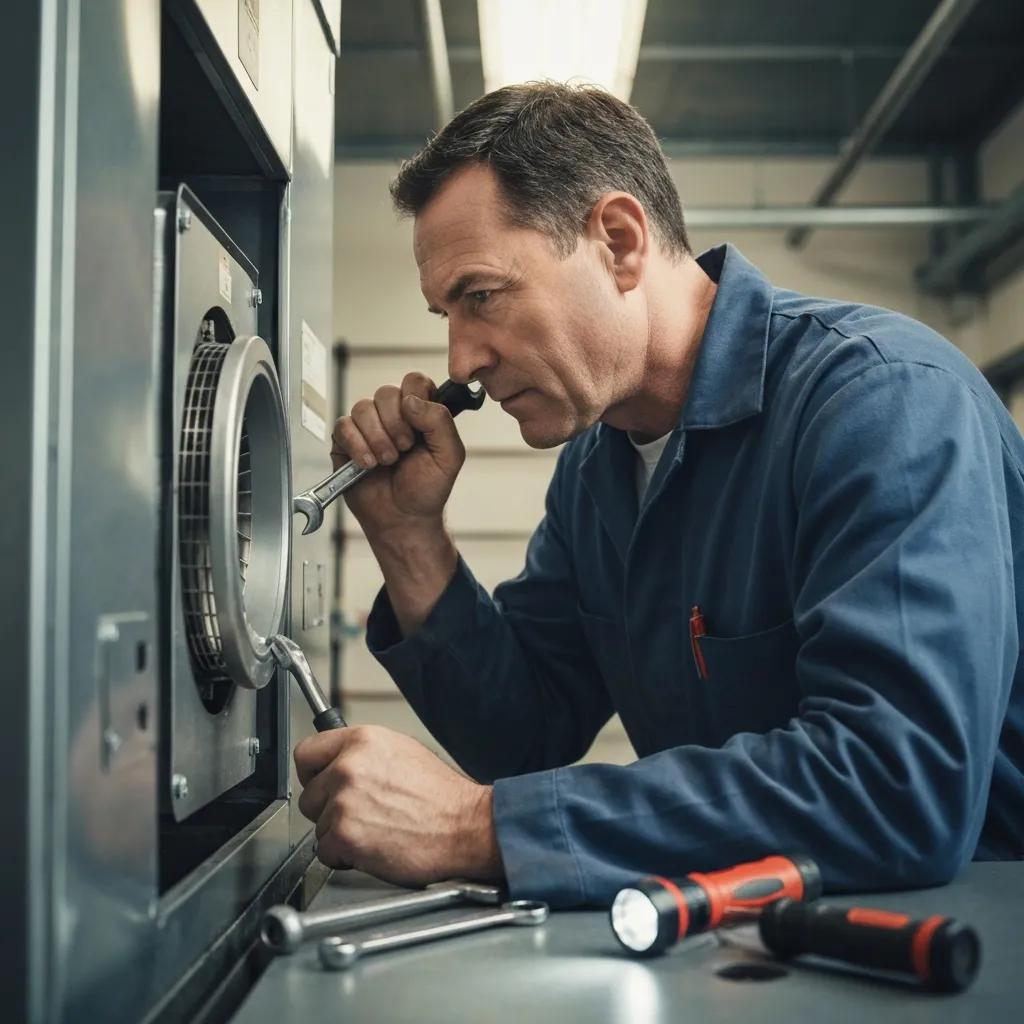
Strange furnace noises signal various failing components, from wear to urgent safety hazards. Banging indicates delayed ignition or heat exchanger expansion, requiring immediate shutdown and technician inspection. Squealing or whines often point to worn blower bearings or belts, signaling impending motor failure and reduced efficiency. Rattling sounds usually mean unsecured panels or ductwork, lower risk but needing correction. A filter check and listening during startup can help distinguish minor issues from those needing immediate professional attention.
How Does a Yellow Flame Signal Furnace Issues?
A normal burner flame is mostly blue; a sustained yellow flame indicates incomplete combustion and soot, often from a dirty burner, blocked airflow, or incorrect gas pressure. This increases carbon monoxide production, posing a safety risk. If you see a steady yellow flame, ventilate the area and stop furnace use until a technician inspects the burner and venting. Due to indoor air quality and safety concerns, a yellow flame warrants immediate professional diagnostics.
Why Is My Furnace Blowing Cold Air and How Serious Is It?
Cold air from a furnace can stem from simple user settings or serious mechanical failures. Basic issues like incorrect thermostat settings, tripped breakers, or closed gas valves are safe to check and often quick fixes. More serious causes, such as a failed ignitor, faulty gas valve, or control board malfunction, prevent combustion and require immediate professional service due to gas and electrical system involvement. Begin with safe diagnostics, but shut down the unit and call an HVAC professional if combustion or gas-related signs appear.
- Check thermostat and power first: Ensure the thermostat is set to heat, batteries are fresh, and the furnace switch/breaker is on.
- Inspect the air filter and registers: Restricted airflow can trigger safety limits that shut the burner off.
- Listen for ignition attempts: Repeated clicking with no flame often indicates ignition or gas supply issues.
- Smell for gas: If you detect gas, evacuate and follow emergency gas-safety protocols—do not attempt DIY fixes.
These troubleshooting steps let you safely rule out simple causes and identify red flags that require an immediate call to a certified technician, which the next subsection details.
What Causes a Furnace to Blow Cold Air?
Cold air from a furnace results from user-configuration, electrical, or combustion issues. User-level causes include thermostat errors, power interruptions, or tripped safety switches from restricted airflow. Electrical/mechanical failures like a defective ignitor, faulty gas valve, or control board prevent burner ignition. Incomplete combustion or interrupted gas supply also cause intermittent cold air and combustion hazards. If simple checks fail, the problem is likely component-level, requiring a technician to safely diagnose ignition and gas circuits.
When Should You Call a Professional for Cold Air Problems?
Call an HVAC professional immediately for gas odors, repeated failed ignition, visible flame abnormalities, or tripped safety limits—these signal combustion or electrical failure. For persistent cold air without safety signs (e.g., underperforming control board or blower motor), schedule prompt non-emergency service. A diagnostic visit will test ignitor, gas valve, control board, and combustion sequence, providing repair/replacement recommendations. If unsure about combustion or gas safety, stop furnace operation and call for inspection to prevent CO or fire risks.
What Do Unusual Furnace Odors Mean and Are They Dangerous?
Unusual furnace odors range from benign dust burn-off to dangerous gas or electrical smells, dictating urgency. Temporary dust burning is common after idle periods. A persistent electrical or plastic odor suggests overheating components or wiring faults, requiring immediate shutdown and service to prevent fire. A sulfuric or rotten-egg smell indicates natural gas leaks, demanding immediate evacuation and emergency response. Understanding odor characteristics helps homeowners apply correct safety protocols.
- Dust burn-off (temporary): Light, musty smell on first run after idle, dissipates within hours.
- Electrical burning (urgent): Acrid, plastic, or metallic odor that persists—stop use and call for repair.
- Gas/mercaptan smell (emergency): Sulfur-like odor—evacuate, avoid flames, and contact utility/emergency services.
How to Identify Gas Smells from Your Furnace Safely
Gas leaks from a furnace have a distinctive rotten-egg (mercaptan) odor, requiring immediate safety actions. If you smell gas, do not operate lights, phones, or the furnace; evacuate everyone and call your gas utility or emergency services from a safe location. Do not attempt DIY fixes or use electrical switches; trained personnel must isolate and repair leaks. After repair, have the furnace inspected for related damage before resuming service to ensure safe combustion.
What Does a Burning Smell from the Furnace Indicate?
A persistent burning smell (not dust-related) often signals overheating electrical components, motor failure, or insulation degradation, posing a fire risk. Overheating motor bearings, belts, transformers, or wiring emit sharp, acrid odors, requiring immediate shutdown and professional inspection. Distinguish by duration and intensity: temporary dust odors fade quickly, while electrical smells persist and intensify. If you detect an electrical burning odor, turn off the furnace at the switch and breaker, ventilate if safe, and request prompt professional service.
How Do High Energy Bills Signal Furnace Inefficiency or Malfunction?
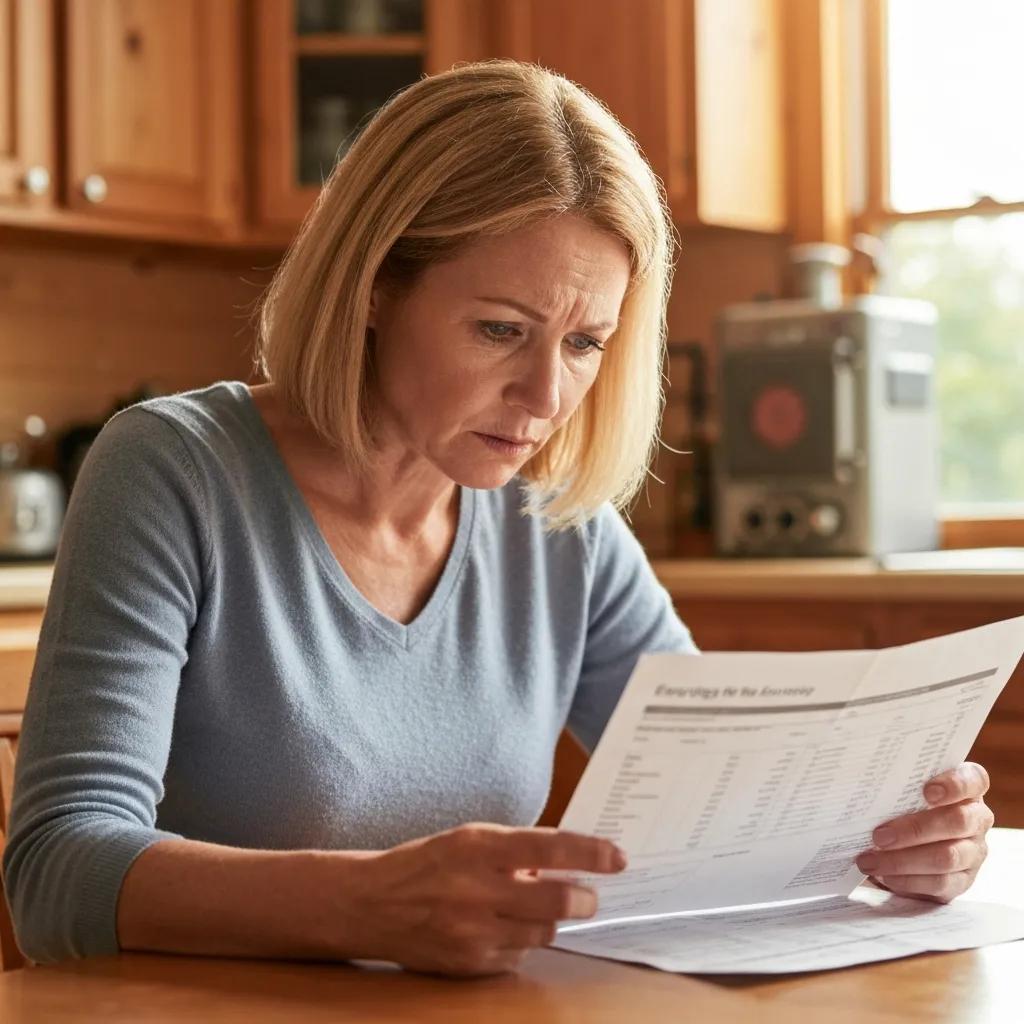
Rising heating bills often indicate furnace inefficiency or component failure, not just fuel price changes; diagnosing this saves operating costs. Common issues include clogged filters, failing blower motors, inefficient burners, or a cracked heat exchanger, all forcing the system to overwork. Monitoring usage patterns (longer run-times, higher thermostat settings for same comfort) helps determine if maintenance, repair, or replacement is most cost-effective. Quantifying these impacts supports an objective repair-versus-replace decision, balancing cost, efficiency gain, and furnace age.
| Fault | How It Affects Energy Use | Typical Fix / Impact |
|---|---|---|
| Dirty filter | Reduces airflow, increases run time | Replace filter; immediate efficiency improvement |
| Failing blower motor | Lower airflow, more cycles | Motor repair/replacement restores performance |
| Inefficient burners/AFUE loss | Poor combustion increases fuel consumption | Tune burners or consider replacement for ROI |
| Cracked heat exchanger | Unsafe operation and reduced efficiency | Immediate inspection and likely replacement |
This table contrasts common faults with their energy impacts and typical corrective measures so homeowners can prioritize repairs that yield the best return on energy savings and safety.
What Furnace Issues Cause Increased Energy Costs?
Component faults increase energy consumption through longer run times or repeated cycles, impacting monthly bills. A dirty filter is the most common culprit, restricting airflow and making the blower work harder; regular replacement yields quick savings. A failing blower motor or worn belt reduces airflow efficiency, leading to longer heating cycles, while inefficient burners or poor combustion lower AFUE and increase fuel usage.
How Can Timely Furnace Repair Save on Energy Bills?
Prompt repair and routine maintenance improve efficiency by restoring correct combustion, airflow, and control, shortening run times and reducing fuel consumption. Replacing a clogged filter or repairing a failing blower can reduce energy waste and monthly bills within a season. More substantial interventions, like burner tuning or replacing an aging furnace with a higher-AFUE model, offer larger long-term savings, often justifying replacement when repair costs are high. Preventative maintenance, including annual inspection and tuning, is a cost-effective strategy to avoid efficiency losses and high energy bills.
When Should You Seek Immediate Furnace Repair or Replacement?
Immediate furnace repair or replacement is warranted for safety hazards or imminent system collapse. Red-flag symptoms requiring immediate shutdown and emergency service include strong gas odor, confirmed carbon monoxide indicators (sickness, yellow flame, soot), visible combustion damage, persistent electrical burning smells, and severe mechanical failures (loud bangs). Consider replacement for furnaces near their 15–20 year lifespan, with repeated failures, or when repair costs approach replacement cost with low efficiency. The triage table below helps homeowners choose between DIY, urgent emergency service, or replacement.
| Problem (Observation) | Urgency | Recommended Action |
|---|---|---|
| Strong gas odor | Emergency | Evacuate, call utility/emergency services, do not operate furnace |
| Yellow flame or soot | High | Ventilate, shut down furnace, call certified technician |
| Repeated failed ignition | High | Stop using, schedule immediate diagnostic service |
| Furnace age + repeated failures | Medium-High | Get Free Estimates and compare repair vs replacement |
- Call immediately if you smell gas, detect CO symptoms, or observe persistent burning smells: These are emergencies requiring evacuation.
- Schedule same-day service for loud bangs, visible damage, or repeated ignition failures: These indicate combustion or mechanical risk.
- Request Free Estimates when repair costs are recurring or efficiency is poor: Compare repair versus replacement economics before deciding.
Prompt action prevents injury and property damage; addressing urgent signs quickly also clarifies whether a repair will suffice or replacement makes more long-term sense.
How Hans Energy Systems Provides Expert Furnace Repair and Replacement in Poway
Hans Energy Systems, operating under Masco & Sons, offers localized heating repair and replacement services with a safety-first approach tailored to Poway and San Diego homeowners. Their NATE-certified team diagnoses combustion, control, and mechanical faults, provides transparent repair estimates, and offers Free Estimates for replacement decisions—helping homeowners weigh efficiency gains against repair costs. As a family-owned provider focused on lead generation, they emphasize customer satisfaction and energy-efficient outcomes through professional installation and maintenance.
Exclusive Furnace Service Offers
Looking to save on your next furnace repair, maintenance, or installation? Check out our current special offers designed to provide you with top-quality service at an even better value.
What Are the Early Warning Signs of Carbon Monoxide and Combustion Issues?
Carbon monoxide (CO), an odorless gas from incomplete combustion, has early warning signs from both appliances and human symptoms. Appliance indicators include a yellow/flickering flame, black soot near the burner/vent, and excessive condensation, all suggesting increased CO risk. Human symptoms—headaches, dizziness, nausea, confusion, or flu-like symptoms that improve away from home—are hallmark CO exposure signs, requiring immediate evacuation and emergency services. Installing and maintaining CO detectors near sleeping areas and on each floor provides critical early detection.
| Indicator | What to Watch For | Immediate Response |
|---|---|---|
| Yellow flame / soot | Persistent yellow flame, black residue near burner | Shut down appliance, ventilate, call HVAC pro |
| Physical symptoms | Headache, nausea, dizziness that clear away from home | Evacuate, seek fresh air, call emergency services |
| CO detector alert | Alarm sounding | Follow detector emergency protocol and evacuate |
This table clarifies how appliance indicators and human symptoms intersect to form a rapid-response plan that prioritizes life-safety and professional assessment.
Ready for Reliable Furnace Service?
If you observe any high-urgency signs, need professional inspection, or are considering an upgrade, Hans Energy Systems is here to help. We offer expert heating repair and replacement services with transparent pricing.